
The Ultimate Guide to Basketball Shoes

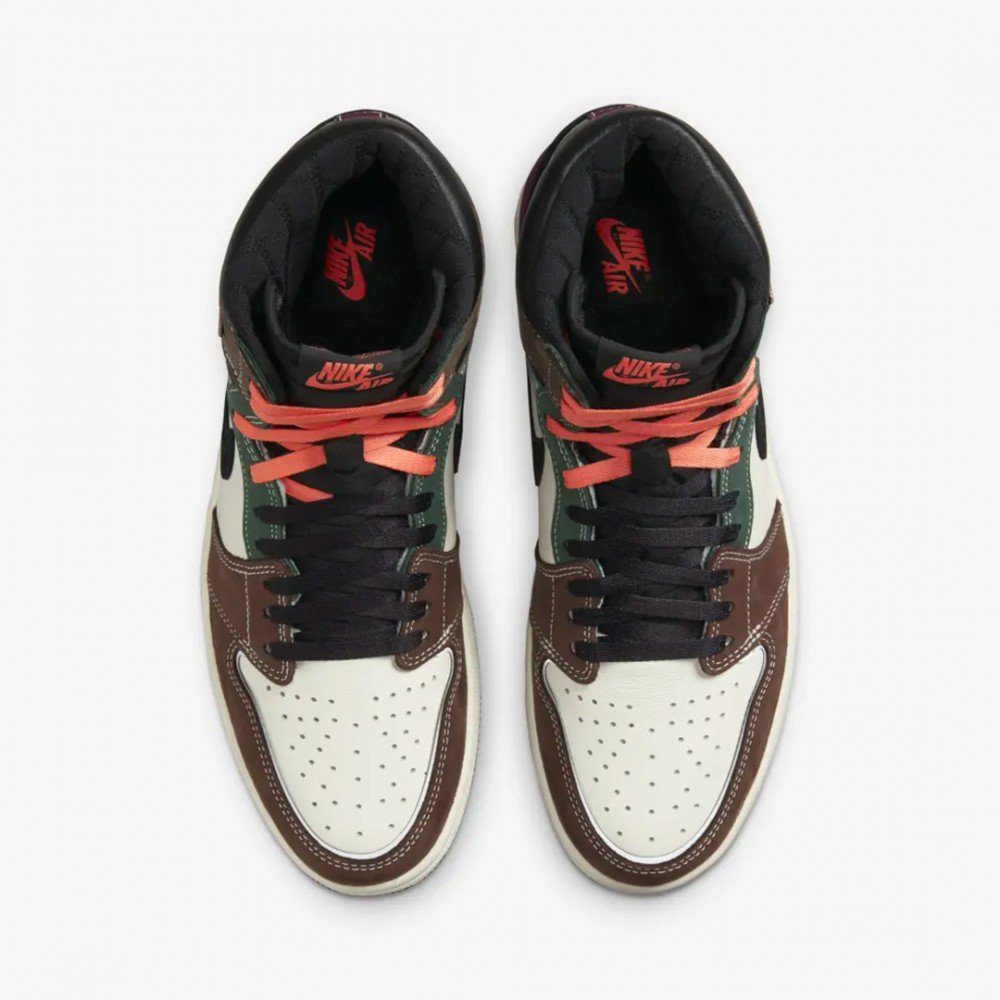
The Ultimate Guide to Basketball Shoes
When it comes to high-performance athletic footwear that seamlessly combines sports heritage, street culture, and unmatched daily comfort, Basketball Shoes stand at the absolute pinnacle of modern design. For decades, these legendary sneakers have captivated the hearts and minds of professional athletes, urban style icons, casual wearers, and dedicated collectors worldwide. From the glowing wooden courts of professional arenas to the concrete pavement of bustling city streets, the evolution of these performance kicks represents a true masterclass in engineering, cultural impact, and aesthetic versatility. Whether you are searching for your next pair of daily court trainers, looking to elevate your streetwear rotation with striking colorways, or diving deep into the rich history of sneaker culture, understanding what makes these shoes a global phenomenon is essential. As you explore the vast collections available on specialized platforms—such as those curated at Basketball Shoes—you will immediately notice how traditional craftsmanship and cutting-edge technology intertwine to create footwear that performs brilliantly under pressure while making a bold fashion statement. The journey of these iconic sneakers is defined by groundbreaking athlete partnerships, innovative cushioning compounds, sustainable manufacturing practices, and an unwavering commitment to quality that continues to set industry standards across the globe. In this comprehensive guide, we will explore everything you need to know about these legendary sneakers, from their technical specifications and diverse use cases to frequently asked questions and how they stack up against competing footwear in today’s fast-paced market. Furthermore, platforms like Basketball Shoes provide enthusiasts with direct access to limited-edition drops and classic heritage retros, ensuring your footwear rotation remains ahead of the curve.
Basketball Shoes can be defined as specialized athletic footwear engineered specifically to handle the unique, high-impact biomechanical demands of basketball, including explosive vertical jumps, rapid lateral cuts, sudden decelerations, and repetitive hard landings. Defined by their robust construction, these sneakers typically feature reinforced lateral outriggers, specialized herringbone or multi-directional rubber traction patterns for superior grip on polished hardwood floors, and structured ankle collars available in high-top, mid-top, or low-top profiles. LSI keywords and related industry concepts associated with this category include court sneakers, performance trainers, ankle stability gear, impact absorption soles, athletic footwear, and signature player editions.
The primary application of these dynamic sneakers extends far beyond professional arenas and indoor hardwood courts. While elite athletes in leagues worldwide rely on them for competitive traction and injury prevention, recreational players frequently utilize outdoor-specific durable rubber compound variations for streetball courts, concrete asphalt, and community recreation centers. Furthermore, the immense cultural footprint of sneaker culture has firmly integrated these athletic silhouettes into daily lifestyle and streetwear fashion. Enthusiasts regularly pair signature models with casual denim, cargo pants, or athletic joggers for school, work, and social outings. Premium hubs like Basketball Shoes serve as central connecting points where athletes and collectors discover iconic releases that seamlessly transition from intense game-day performance to high-end urban style. Whether you are executing a fast break or walking through city streets, understanding the versatile nature of these shoes ensures you get maximum utility from your investment.
The engineering behind modern performance footwear involves a complex matrix of advanced materials, proprietary cushioning technologies, and structural architecture designed to maximize safety and court feel. Manufacturers invest heavily in research and development to optimize energy return while minimizing overall weight, ensuring players stay quick and protected throughout all four quarters.
Core Technical Specifications Breakdown
| Technical Component | Primary Material / Technology | Main Function & Performance Benefit |
| Cushioning System | Zoom Air, Boost, Lightstrike, or Max Air | Absorbs heavy impact shock upon landing and returns explosive energy during takeoff. |
| Traction Outsole | High-density rubber with herringbone patterns | Provides multi-directional grip on dusty or clean courts, preventing slipping during sharp cuts. |
| Upper Construction | Engineered mesh, synthetic leather, or knit | Delivers breathable lockdown support while maintaining structural integrity during lateral stress. |
| Ankle Support | Internal heel counters and padded collars | Stabilizes the Achilles tendon and ankle joint to reduce the risk of sprains during landings. |
| Midfoot Shank | Carbon fiber or thermoplastic bridge | Enhances torsional rigidity, preventing the shoe from twisting awkwardly during explosive movements. |
Beyond these structural elements, contemporary designs emphasize lightweight breathability through synthetic weaves and laser-cut ventilation ports. Moisture-wicking internal lining fabrics keep feet dry and comfortable during prolonged exertion, minimizing blistering and friction-related discomfort. Every technical detail is meticulously calibrated to provide an optimal balance between lockdown security and natural foot mobility, allowing players to execute lightning-fast moves with absolute confidence.
Basketball Shoes are utilized primarily across indoor wooden basketball courts, outdoor concrete asphalt lots, tartan multi-sport surfaces, and increasingly within urban street fashion environments. Their specialized traction and ankle support make them indispensable for organized team practices, competitive tournaments, recreational pick-up games, and coaching sessions. Beyond sports fields, their bold design language and rich signature-player heritage make them a cornerstone of modern youth culture and daily casual wear.
Over time, intense friction on abrasive surfaces wears down the outsole tread patterns and compresses internal cushioning foams, necessitating a replacement. Follow this step-by-step guide to properly select and transition into a new pair:
Assess Performance Wear: Inspect the outsole rubber for smooth, bald spots where the herringbone tread has worn away, and check if the midsole foam feels permanently flattened or lacks springiness.
Determine Your Playing Environment: Evaluate whether your next pair will primarily face abrasive outdoor asphalt (requiring thick, durable XDR rubber outsoles) or clean indoor hardwood (where sticky rubber compounds excel).
Analyze Fit and Sizing: Measure your feet late in the day when they are slightly swollen, and account for whether you prefer wearing thick, cushioned basketball socks that impact internal space.
Acquire Your New Pair: Browse trusted providers to evaluate verified authentic signature models that suit your precise playing position—whether you need maximum lockdown high-tops for aggressive centers or lightweight low-tops for shifty guards.
Break-In Period: Wear your new sneakers around the house or during light shoot-arounds for a few sessions to let the upper materials mold comfortably to your foot contours before entering high-intensity competitive games.
SSS
High-top basketball shoes are necessary for ankle protection, or are low-tops safe?
The debate between high-top, mid-top, and low-top footwear has evolved significantly with advancements in sports science and biomechanical research. Historically, high-tops were considered mandatory to prevent ankle sprains by physically locking the joint in place. However, modern studies demonstrate that a shoe’s collar height cannot entirely stop lateral rolling forces if an athlete lands awkwardly on another player’s foot. Instead, ankle stability relies heavily on a wide, stable base, an internal heel counter, outriggers, and a snug fit that locks the foot onto the footbed. Low-top models—popularized by agile guards—offer unrestricted ankle mobility and reduced overall weight, allowing for quicker footwork and faster acceleration. Conversely, players who prefer a traditional secure feel around the ankle often opt for mid or high profiles. Ultimately, safety depends more on overall structural design, proper fit, and individual ankle strength than on collar height alone.
How do I clean and maintain my basketball shoes without damaging the grip?
Maintaining your footwear is essential for preserving both aesthetic appeal and optimal court traction. Dust, dirt, and outdoor grime act like a barrier between the rubber outsole and the court floor, causing dangerous slips. To clean your sneakers properly, start by gently knocking the soles together to loosen dried mud. Use a soft-bristled brush dipped in a mixture of warm water and mild dish soap to scrub the rubber outsole and remove trapped dust from the grooves. For knit or mesh uppers, wipe gently with a damp microfiber cloth, avoiding harsh chemical solvents or abrasive scrubbers that can fray synthetic fibers. Never submerge shoes entirely in water or put them inside a washing machine, as moisture degrades internal glues and compromises cushioning foam integrity. Finally, stuff them with clean paper towels and let them air dry naturally away from direct sunlight or heaters, ensuring your grip remains pristine for your next game.
Can I wear my indoor basketball shoes on outdoor concrete courts?
While it is technically possible to wear indoor performance shoes outdoors, doing so is generally discouraged if you want them to last. Indoor basketball shoes are crafted with softer, stickier rubber compounds optimized to grip clean, dust-free wooden surfaces. When exposed to abrasive outdoor concrete or asphalt, these soft rubber outsoles wear down rapidly, smoothing out the traction pattern within just a few weeks. Furthermore, outdoor courts lack the shock-absorbing give of indoor wooden spring floors, meaning outdoor play accelerates the breakdown of internal cushioning units like Zoom Air or foam midsoles. If you split your time between indoor leagues and outdoor streetball, it is highly recommended to maintain a dedicated pair of outdoor shoes featuring durable XDR (Extra Durable Rubber) outsoles to protect your investment.
How should a proper basketball shoe fit in terms of length and width?
Getting the correct fit is critical to preventing painful blisters, black toenails, and mid-game foot fatigue. Unlike casual lifestyle sneakers that you might wear with extra room, performance footwear requires a snug, secure lockdown to prevent your foot from sliding forward during sudden stops. Ideally, you should leave approximately a thumb’s width of space between your longest toe and the front of the shoe box. This small buffer prevents your toes from jamming into the front wall when you decelerate aggressively. Additionally, your midfoot and heel should feel firmly locked in place with zero heel slippage when you walk or run. If you have wide feet, look for brands known for accommodating wider lasts or consider going up a half-size, as narrow performance shoes can pinch the sides and cause severe cramping during intense play.
Why do basketball shoes often cost more than standard running sneakers?
The elevated price point associated with premium performance footwear reflects the complex engineering, specialized materials, and high-performance technologies required for court sports. Unlike running shoes—which primarily focus on linear forward motion and basic cushioning—court sneakers must withstand multidirectional stress, extreme lateral forces, and heavy vertical impact. Integrating advanced responsive cushioning units, carbon-fiber propulsion plates, highly durable multi-directional rubber outsoles, and reinforced upper containment systems demands sophisticated manufacturing processes. Furthermore, licensing agreements, exclusive signature player endorsements, and limited-edition collaborative drops heavily influence market pricing. Collectors and competitive athletes willingly invest in these high-end models because they deliver specialized biomechanical protection, durability, and cultural prestige that mass-market casual trainers simply cannot replicate.
When evaluating performance footwear, comparing athletic categories such as running trainers, cross-training shoes, and tennis footwear highlights distinct structural differences tailored to specific athletic disciplines.
Athletic Footwear Comparison Matrix
| Footwear Category | Primary Motion Focus | Outsole & Traction Design | Cushioning & Support Focus |
| Basketball Shoes | Multi-directional, lateral, vertical | Flat, wide base with herringbone grip | High-impact absorption and ankle lockdown |
| Running Shoes | Linear forward motion (heel-to-toe) | Flexible rubber with longitudinal flex grooves | Plump heel cushioning and lightweight mesh |
| Cross-Training Shoes | Omnidirectional gym workouts | Flat, stable, non-compressing rubber | Firm lateral support for weightlifting |
| Tennis Shoes | Lateral side-to-side sliding | Modified herringbone with toe durability guards | Reinforced side walls for hard court sliding |
The primary advantage of court sneakers over running shoes lies in their lateral stability. Running shoes feature narrow soles and flexible arches designed exclusively for straight-line forward strides; wearing them for basketball drastically increases the risk of rolling an ankle during quick side-to-side cuts. Conversely, court sneakers possess flat, wide outsoles and reinforced side walls that keep the foot securely centered over the platform during aggressive defensive slides.
When stacked against casual lifestyle sneakers, minimalist footwear, or standard cross-trainers, premium court footwear offers unmatched protective and performance advantages. The primary reason to choose these specialized sneakers is their comprehensive commitment to joint protection and injury prevention. The integration of advanced shock-absorption systems significantly reduces the concussive force transmitted to your knees, ankles, and lower spine during repeated jumping and landing sequences.
Furthermore, the superior durability of reinforced uppers and high-abrasion rubber outsoles ensures that your footwear withstands rigorous physical punishment far longer than delicate fashion sneakers. Whether you are seeking explosive responsiveness on the court or iconic streetwear credibility on the pavement, investing in specialized court footwear provides an unbeatable combination of safety, longevity, and style. Explore the latest collections today to find the perfect pair that elevates both your athletic performance and your everyday wardrobe. For more information and to browse exclusive releases, visit us today!